A. C. Rosenthal
Some questions are too important to leave only to people with the right letters before their names.

The Two Muhammads. Islam is often described as a faith of many interpretations. This book asks a different question. What happens when the earliest sources are allowed to speak for themselves

Most people who walk away from faith don't reject the God of serious theology. They reject a caricature. This book dismantles the false image and introduces the real one.
The Carpenter's Son, And The Imam's Son
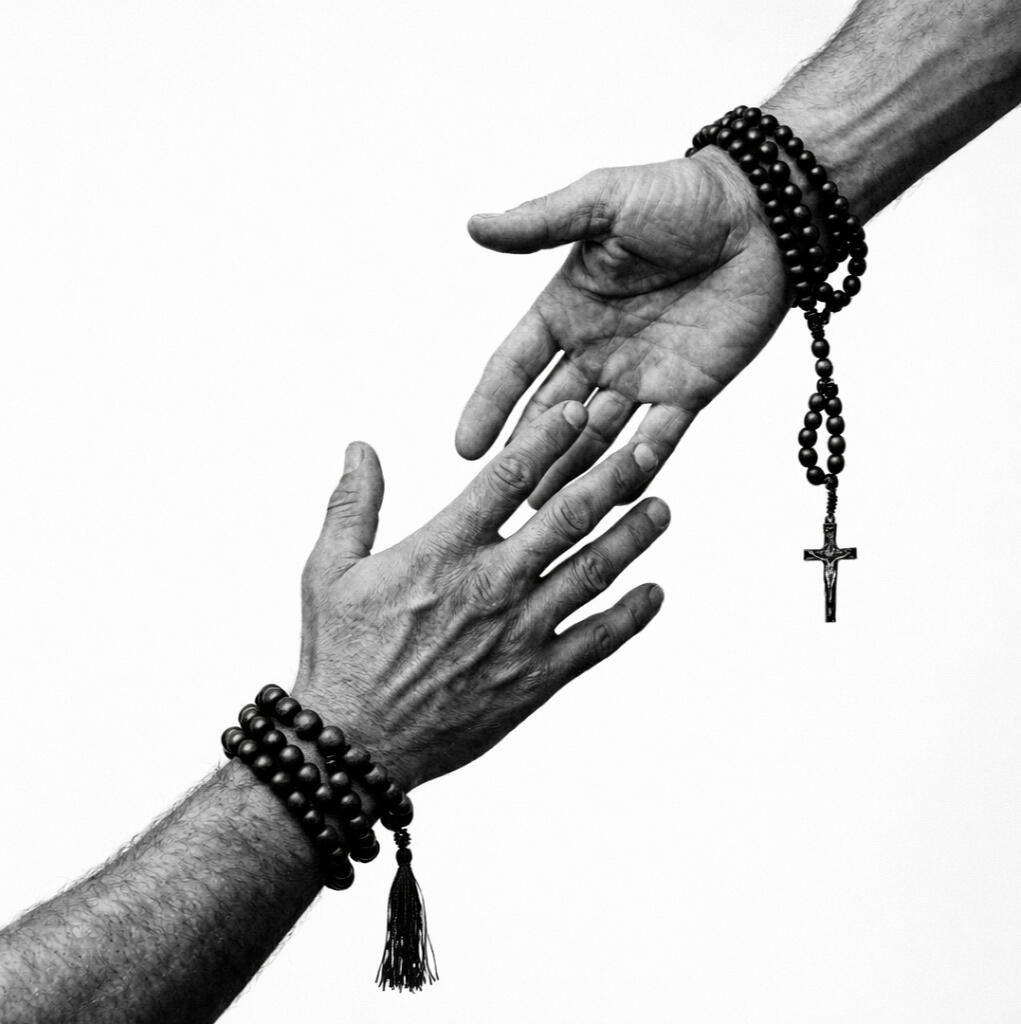
A decade of friendship. A decade of argument. The investigation that cost everything except the conclusion.* Coming Soon *

Understanding Islam: A Structured Curriculum for Churches and Laypeople
Nine courses. Three levels. Ninety-six sessions. Built for Christian laypeople and church leaders who want serious historical and theological engagement with Islam. Not surface familiarity. The depth required to hold your own when the conversation becomes difficult.
The Alif Level, comprising the first four courses, is available now.

Regular writing on Islamic origins, manuscript evidence, Christian apologetics, and the civilizational questions the West keeps avoiding. For readers who want the argument made carefully. Follow, Like, Comment and Subscribe for more.


The Nation That Forgot What It Was Built On
On Webster, Chesterton, and the moral foundations that a free republic cannot afford to lose.

There is a curious modern habit of calling a thing secular precisely when it is merely Christian with the Christianity removed. We build our courts upon the idea that men are equal before the law, and congratulate ourselves on our magnificent neutrality- never pausing to ask why, if men are simply arrangements of atoms jostling toward entropy, any one arrangement should be thought equal to another. We erect our schools on the principle that truth exists and can be taught, and then solemnly declare that no particular account of truth shall be permitted through the door. We have kept the furniture of a Christian civilization while evicting the family that built it, and then we wonder why the house feels strangely hollow.For more follow this link to the Article on Substack.<https://acrosenthal.substack.com/p/the-nation-that-forgot-what-it-was?r=7xlwq1>

A.C. Rosenthal is a Canadian author, independent researcher, and tradesman. He did not attend university. He chose not to. Instead he purchased over 1,300 books and listened to them while installing baseboard, running wire, and framing walls. Nobody assigned him Thucydides or Solzhenitsyn. He did it because he wanted to understand the world. The books he writes are an extension of who he is as a father and a man of faith — not an academic exercise disconnected from ordinary life. He writes under a pen name for personal and family safety. He does not write for recognition. He writes because some questions are too important to leave only to people with the right letters before their names.
The Grand Library. This is a good chunk of the material I have read but by no means all of it. If you are looking for your next serious read, contact me.
Please feel Free to contact me, on the following platforms: